
 Honest Prices. Always. Not for Everyone.


How to Store Perfume Properly: Keep Your Fragrance Fresh in the Indian Climate
A good perfume is a blend of delicate aromatic ingredients, and how you store it decides how true it stays to the scent you fell in love with. Keep a bottle in the wrong place and the fragrance can slowly turn flat, sour or simply weaker. Keep it right and it will smell the way the perfumer intended, spray after spray. This guide covers the simple storage habits that protect your perfumes, with special attention to what the Indian climate does to a bottle left in the wrong corner of the house.
Why perfume storage matters more than people think
Perfume is a carefully balanced mixture of aromatic oils and alcohol. Three things attack that balance: heat, light and air. Heat speeds up the chemical reactions inside the bottle. Light, especially direct sunlight, breaks down delicate ingredients. Air, which enters a little more each time a bottle is opened or left uncapped, slowly oxidises the fragrance. None of this happens overnight, which is why poor storage often goes unnoticed until the day the perfume smells "off" and nobody can say when it changed.
The good news is that proper storage costs nothing. It is mostly about choosing the right spot and building two or three small habits.
Keep it cool: what heat does to perfume
Warm temperatures make the ingredients in a perfume react faster and evaporate sooner. In much of India, room temperature itself can climb high through summer, and a bottle kept near a window, on top of a fridge, or in a parked car experiences far worse than room temperature.
The ideal spot is a consistently cool place: a cupboard, a drawer, or a shelf well inside the room rather than against an outside wall. You do not need refrigeration for ordinary storage; a stable, comfortably cool corner of your home is enough. What matters most is avoiding swings - a place that is hot in the afternoon and cool at night stresses the fragrance more than a steady, slightly warm room.
Keep it dark: light is a quiet enemy
Sunlight is the fastest way to spoil a perfume. Ultraviolet light breaks down the molecules that give a fragrance its character, and a bottle displayed on a sunny windowsill can change noticeably. Even strong indoor lighting, over months, has an effect.
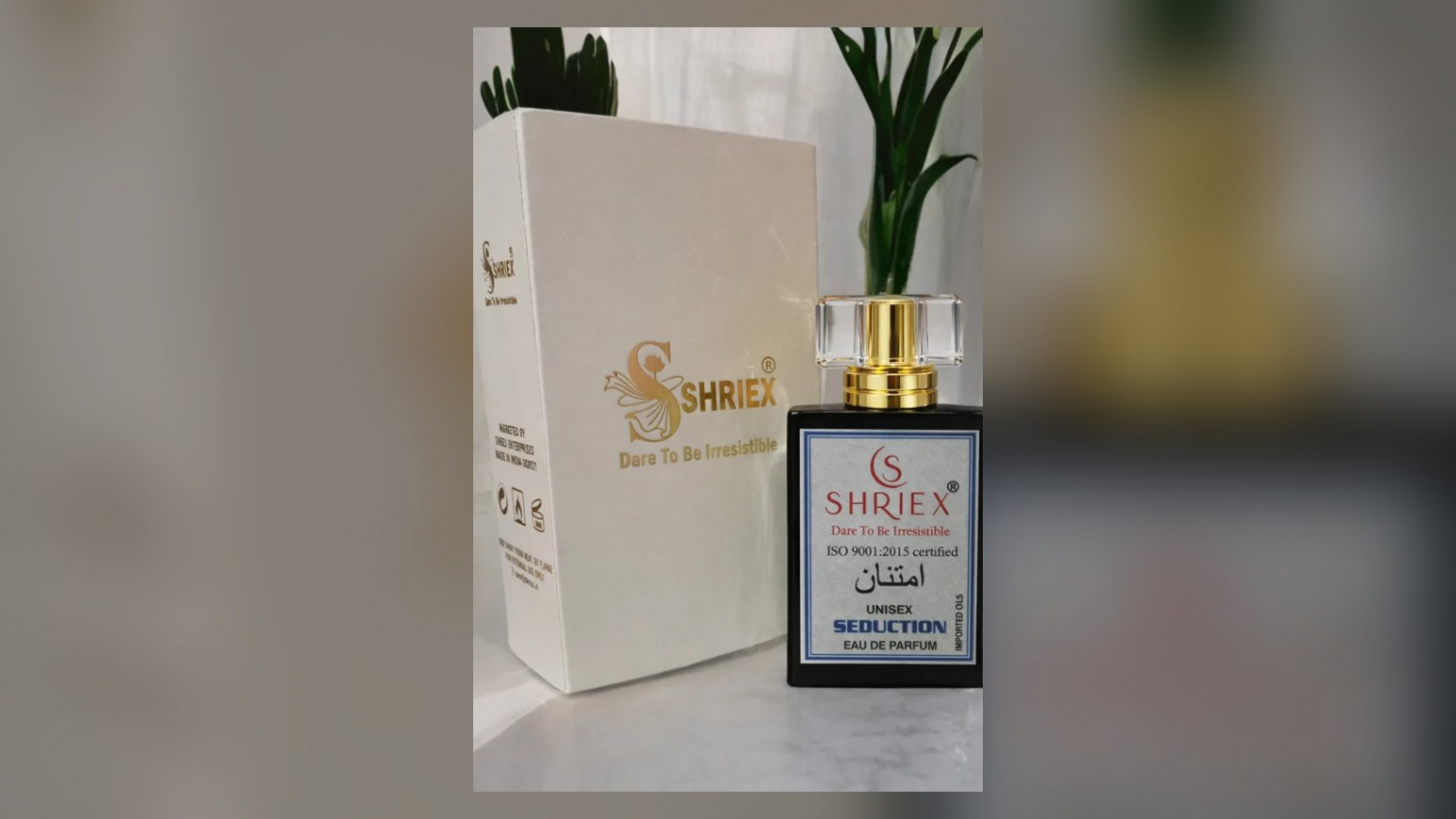
This is one reason many perfumes come in a box: the box is not just packaging, it is protection. Keeping your bottle inside its original box, or inside a closed cupboard or drawer, shields it from light completely. If you like displaying your collection, choose a shelf away from windows and direct light.
Keep it dry: the bathroom is the worst place in the house
The bathroom feels like a natural home for perfume, but it is the single worst storage spot. Every hot shower fills the room with warm, humid air, and humidity is hard on fragrance. The constant cycle of steam and cooling creates exactly the temperature swings and moisture that degrade a perfume.
A bedroom drawer, a wardrobe shelf or a dressing table away from direct sun are all better choices. If your dressing table sits in the bathroom, move the perfume out - your nose will thank you within months.
Keep it closed: air and oxidation
Every perfume reacts with oxygen over time. Bottles with tight caps keep this process slow; a loose or missing cap lets air and moisture in and lets the most delicate top notes escape. Always put the cap back on after spraying. It takes a second and it is the cheapest protection there is.
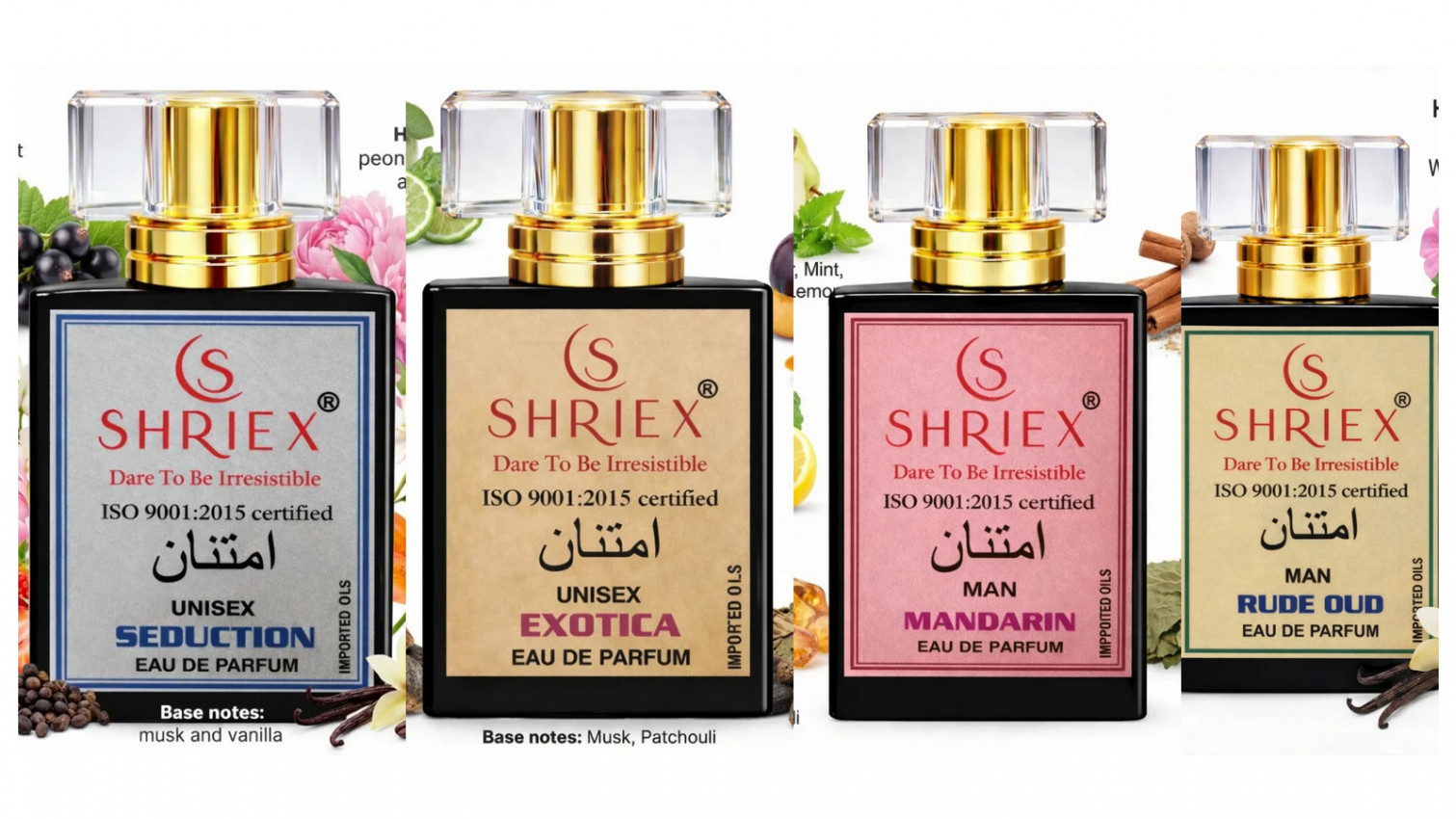
This is also worth considering with large bottles: a big bottle that takes years to finish spends more time with air inside it. Smaller bottles, like the 50ml format Shriex perfumes come in, are finished sooner and spend less time ageing after opening - a practical advantage if you like rotating between several scents rather than wearing one perfume daily.
What about the shelf itself: bottles, caps and atomisers
Storage is not only about the room. The bottle itself plays a role. Spray bottles with well-fitting atomisers seal far better than splash bottles or dabbers, because the spray mechanism limits how much air reaches the juice each time you use it. If you own both types, give the splash bottles extra care: open them briefly, close them firmly, and store them upright so the liquid does not sit against the cap.
Speaking of upright: standing bottles vertically is the safer habit. Lying a bottle on its side keeps the liquid in constant contact with the cap and the atomiser tube, which can slowly wear seals and, in poorly capped bottles, invite leaks. A row of upright bottles in a drawer or on a shelf is both neater and kinder to the fragrance.
It also helps to keep storage simple. Decanting perfume into decorative bottles may look elegant, but every transfer exposes the fragrance to air and light, and decorative glass is rarely as well sealed as the original bottle. The bottle the perfume came in is almost always the best container for it.
Travel tips: protecting perfume on the move
Travel combines every storage enemy at once: heat in cars and luggage holds, light through bags, and temperature swings between outdoors and air conditioning. A few precautions help:
Keep the bottle in its box or wrapped in clothing, both for cushioning and for darkness. Carry it inside your bag rather than an outer pocket where it sits in the sun. Never leave perfume in a parked car, even for a short stop - the temperature inside a closed car climbs far beyond the outside temperature within minutes. For short trips, a smaller bottle is easier to protect than a full-size one.
Does perfume expire?
Perfume does not come with a hard expiry date the way food does, but it does change with time and conditions. An unopened bottle stored well can stay true for years. Once opened, the clock runs a little faster because air is involved - which is why storage habits matter most for bottles in active use. Rather than counting months, trust your senses: if the scent smells as you remember it, it is fine; if the opening has turned sharp or sour, storage or age has caught up with it. Good storage is what keeps that day as far away as possible.
Signs a perfume has turned
If a perfume has been stored poorly, it usually tells you. The most common signs are a change in smell - the opening feels sharp, sour or metallic instead of smooth - and sometimes a change in colour, with the liquid darkening over time. A fragrance that smells noticeably different from how you remember it, especially in its first minutes, has likely been affected by heat, light or air.
Perfumes with fresh, citrus-heavy openings are usually the first to show damage, because those light ingredients are the most delicate. Deeper, woodier and warmer blends tend to be more forgiving - one reason oud, amber and vanilla based fragrances have a reputation for ageing gracefully.
A simple storage checklist
Good storage comes down to a short list. Store bottles in a cool place with a steady temperature, away from windows and heat sources. Keep them in the dark, ideally in their boxes or a closed drawer. Skip the bathroom entirely. Put the cap back on every time. And when travelling, wrap the bottle and keep it out of parked cars and sunny bags.
It also helps to think of storage as part of the purchase. When you bring a new perfume home, deciding its spot right away - cool, dark, dry, upright - takes less than a minute and protects the bottle for its entire life. Good habits made once are habits you never have to think about again.
Follow these and your perfume will keep smelling the way it did on the day you opened it - which is exactly how it deserves to smell.
FAQs
Where is the best place to store perfume at home?
A cool, dark, dry spot such as a bedroom drawer, a cupboard or a wardrobe shelf. Avoid bathrooms, windowsills and anywhere with direct sunlight or temperature swings.
Can I keep perfume in the fridge?
It is not necessary for ordinary storage. A consistently cool cupboard or drawer works well. What matters most is avoiding heat, light and frequent temperature changes.
Why shouldn't perfume be kept in the bathroom?
Bathrooms are humid and go through constant warm-and-cool cycles from showers. Humidity and temperature swings are two of the fastest ways to degrade a fragrance.
How do I know if my perfume has gone bad?
Common signs are a sour, sharp or metallic change in the opening smell and a darkening of the liquid. Fresh, citrus-heavy scents usually show damage first.
Does keeping perfume in its box really help?
Yes. The box blocks light, which is one of the main causes of fragrance breakdown, and adds a layer of insulation against temperature changes.
-
 October 23rd, 2026
-
 October 22nd, 2026
-
Eau de Parfum vs Eau de Toilette: What Perfume Labels Really Mean
October 21st, 2026 -
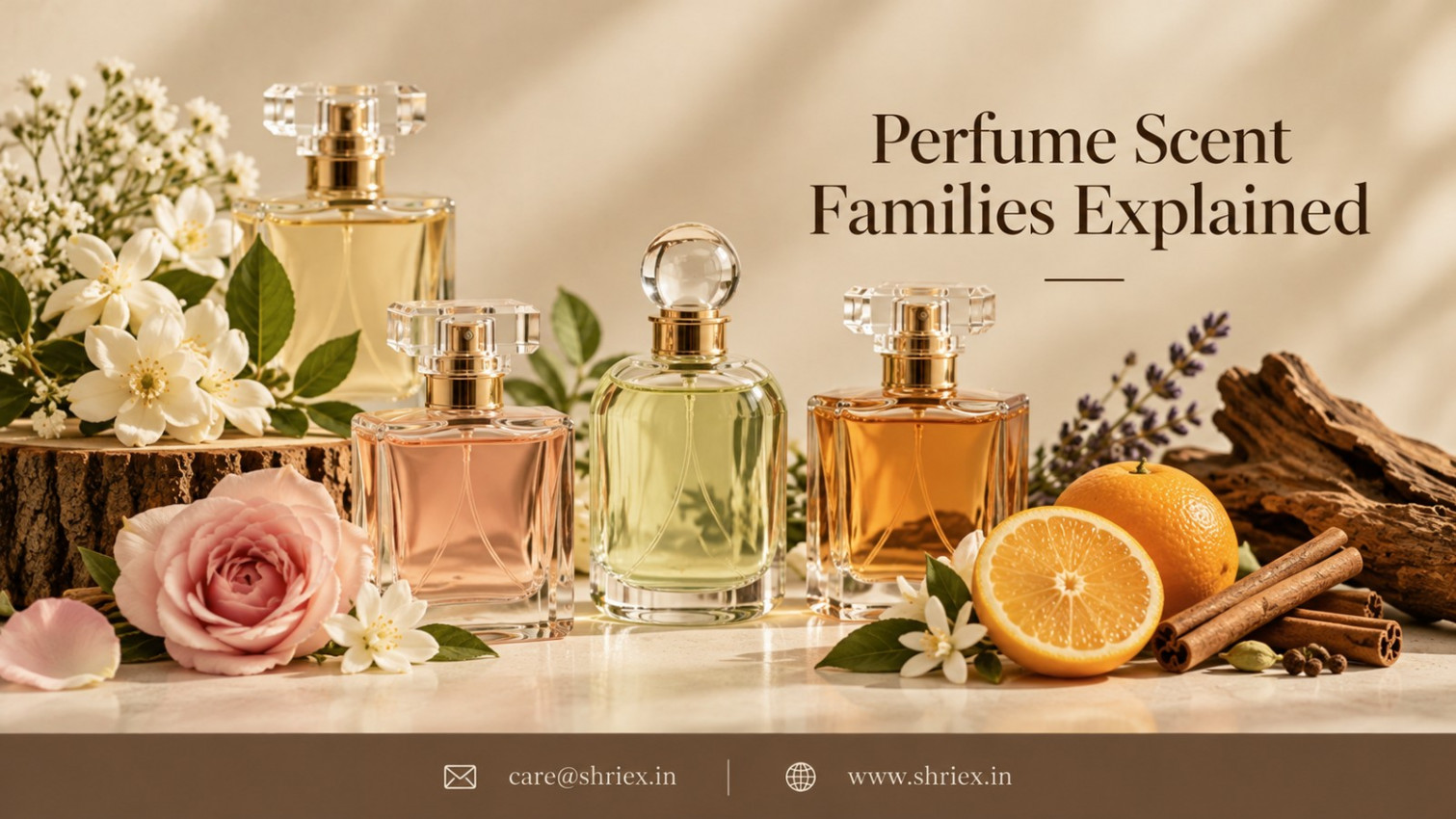
Perfume Scent Families Explained: Fresh, Floral, Woody and Warm
October 19th, 2026