
 Honest Prices. Always. Not for Everyone.


EDT vs EDP vs Parfum: Perfume Concentrations Explained
Walk up to any fragrance counter and the bottles all look similar, yet the labels read EDT, EDP, or Parfum. Those three little abbreviations are not marketing decoration. They tell you how the perfume is built, how it will behave on your skin, and which situations it suits best. Understanding them takes ten minutes, and it changes the way you buy and wear fragrance forever. This guide explains what each concentration means, how they differ in daily wear, and how to pick the right one for you.
What Perfume Concentration Actually Means
Every perfume is a blend of two things: aromatic materials (the fragrant oils that give the scent its character) and a carrier, usually alcohol. The concentration is simply the proportion of aromatic material in the final liquid. A higher concentration means more fragrance oil and less carrier in every spray.
This single number shapes almost everything about the wearing experience. More aromatic material generally means a richer, denser scent that sits closer to the skin for longer, while a lower concentration tends to feel lighter, fresher, and more diffusive. Neither is better in absolute terms. They are different tools, and the art is in matching the tool to the occasion.
Parfum: The Deepest Expression
Parfum, sometimes written as Extrait de Parfum or simply Perfume Extract, sits at the top of the concentration ladder. It carries the highest proportion of aromatic material of any mainstream format, which gives it a distinctive character.
On the skin, parfum feels dense and intimate. Rather than projecting a large cloud around you, it tends to stay close, unfolding slowly over many hours. The opening is often softer than you might expect, because there is less alcohol to flash off and carry the top notes into the air. What you get instead is a smooth, almost seamless evolution from the first spray to the drydown.
Because of its richness, parfum is usually applied sparingly. A small dab on the pulse points is enough. It suits evenings, special occasions, and cooler weather, and it rewards people who prefer a scent to be discovered rather than announced. It is also a thoughtful choice for anyone who finds alcohol-heavy sprays drying on the skin.
Eau de Parfum: The Versatile Middle
Eau de Parfum, or EDP, is the format you will encounter most often on modern shelves, and for good reason. It balances presence and wearability better than any other concentration.
An EDP opens with more sparkle than a parfum, thanks to its higher alcohol content, but it still carries enough aromatic material to develop real depth. The heart of the fragrance, the character that emerges after the first few minutes, is usually well defined, and the drydown lingers through a workday or an evening out.
For most people building a small, practical fragrance wardrobe, an EDP is the natural starting point. It handles the office, dinner, weekends, and travel with equal ease. If you only own one bottle, an EDP in a scent family you love is the most flexible choice you can make.
Eau de Toilette: Light, Bright, and Effortless
Eau de Toilette, or EDT, sits a step lighter. With a lower proportion of aromatic material, it wears as a brighter, airier veil of scent that refreshes rather than envelops.
The opening of an EDT is often its most beautiful moment. Citrus, green, and aquatic notes shine in this format because the lighter structure lets them sparkle without heaviness. The trade-off is that the scent softens sooner, which is why many EDT wearers reapply during the day, treating it almost like a ritual refresh rather than a one-time application.
EDT comes into its own in warm weather, in close-quarter settings like shared offices, and for daytime casual wear. In Indian summers especially, a well-chosen EDT can feel far more comfortable than a dense parfum, which can turn overwhelming in heat and humidity. If you are new to fragrance, an EDT is also a forgiving way to experiment, because its lighter presence means your choice never feels too loud.
Other Labels You May Encounter
Beyond the big three, you will occasionally see Eau de Cologne and Eau Fraiche. These are lighter still, built for a quick, cooling splash of freshness rather than lasting presence. Traditionally, cologne-style compositions lean heavily on citrus and herbs, making them wonderful after a shower or a workout.
You may also see the word Attar, especially in India. Attars are traditionally oil-based and alcohol-free, so they behave differently from alcohol-carried sprays. They sit very close to the skin and develop slowly, which many people love for personal, contemplative wear.
How Concentration Changes the Same Scent
Here is something many first-time buyers do not realise: the same fragrance released in two concentrations is rarely identical. Perfumers rebalance the formula for each strength. An EDT version might emphasise the sparkling top notes, while the EDP version of the same name deepens the heart and base.
This means you cannot assume that loving an EDT guarantees you will love its EDP sibling, or the reverse. Always test the specific concentration you intend to buy. Spray it on skin, give it time to move through its opening into the heart, and decide based on the full journey, not just the first few seconds.
Choosing the Right Concentration for Your Life
A few practical questions narrow the choice quickly:
Where will you wear it most? Offices, colleges, and crowded public transport favour lighter concentrations that stay considerate of others. Evenings, celebrations, and open-air events welcome richer formats.
What is your climate like? Heat amplifies projection. In warm and humid conditions, an EDT or a lighter EDP often performs better than it does on paper, while parfum can become too much. Cooler months and air-conditioned spaces let denser concentrations shine.
How often do you want to reapply? If you enjoy a midday refresh, EDT rewards the habit. If you prefer to spray once in the morning and forget about it, EDP or parfum fits that rhythm better.
How close do you want your scent to sit? Some people love leaving a gentle trail when they walk past. Others want fragrance to be a private pleasure, noticed only at handshake distance. Lighter concentrations project more openly at first; heavier ones stay intimate and personal.
Application Tips for Each Format
Concentration should guide how you apply. With EDT, two to four sprays across the neck, chest, or wrists works well, with a top-up later if needed. With EDP, two sprays are usually plenty. With parfum, a single dab or one spray, placed deliberately on a pulse point, is enough.
Whatever the strength, apply to moisturised skin, avoid rubbing your wrists together, and let the scent settle for a few minutes before judging it. Clothing holds fragrance well, but test on an inconspicuous area first, as oils can mark delicate fabrics.
Common Myths, Gently Corrected
The first myth is that higher concentration always means better quality. It does not. A beautifully composed EDT is a better fragrance than a poorly composed parfum. Concentration describes strength, not craftsmanship.
The second myth is that EDT is for men and EDP is for women. Concentration has nothing to do with gender. The label tells you about the build of the liquid, nothing more, and every concentration is made for every kind of wearer.
The third myth is that a lighter concentration is a waste of money because it fades sooner. In reality, you are choosing a different wearing experience, one that many situations genuinely call for. A crisp EDT on a hot afternoon is not a compromise. It is the right answer.
Building a Small Wardrobe Across Concentrations
You do not need a shelf of bottles to be well equipped. Three thoughtfully chosen fragrances can cover nearly every situation, and spreading them across concentrations is what makes the capsule work. A light EDT handles hot days, commutes, and casual afternoons. A balanced EDP covers work, dinners, and most social plans. A parfum waits for the evenings and celebrations when you want depth and intimacy.
When you shop with this structure in mind, every new bottle has a job. That keeps your collection small, personal, and actually used, instead of a row of near-duplicates competing for the same slot in your week.
The Simple Takeaway
Think of the three concentrations as volume settings rather than quality tiers. Parfum is the deep, intimate version. Eau de Parfum is the balanced all-rounder. Eau de Toilette is the bright, easy everyday option. Once you read labels this way, shopping becomes calmer: you stop chasing the strongest bottle and start choosing the one that fits your weather, your plans, and your personal style.
The next time you pick up a tester, check those three letters before you spray. They are the quietest detail on the bottle, and the most useful one.
-
 October 22nd, 2026
-
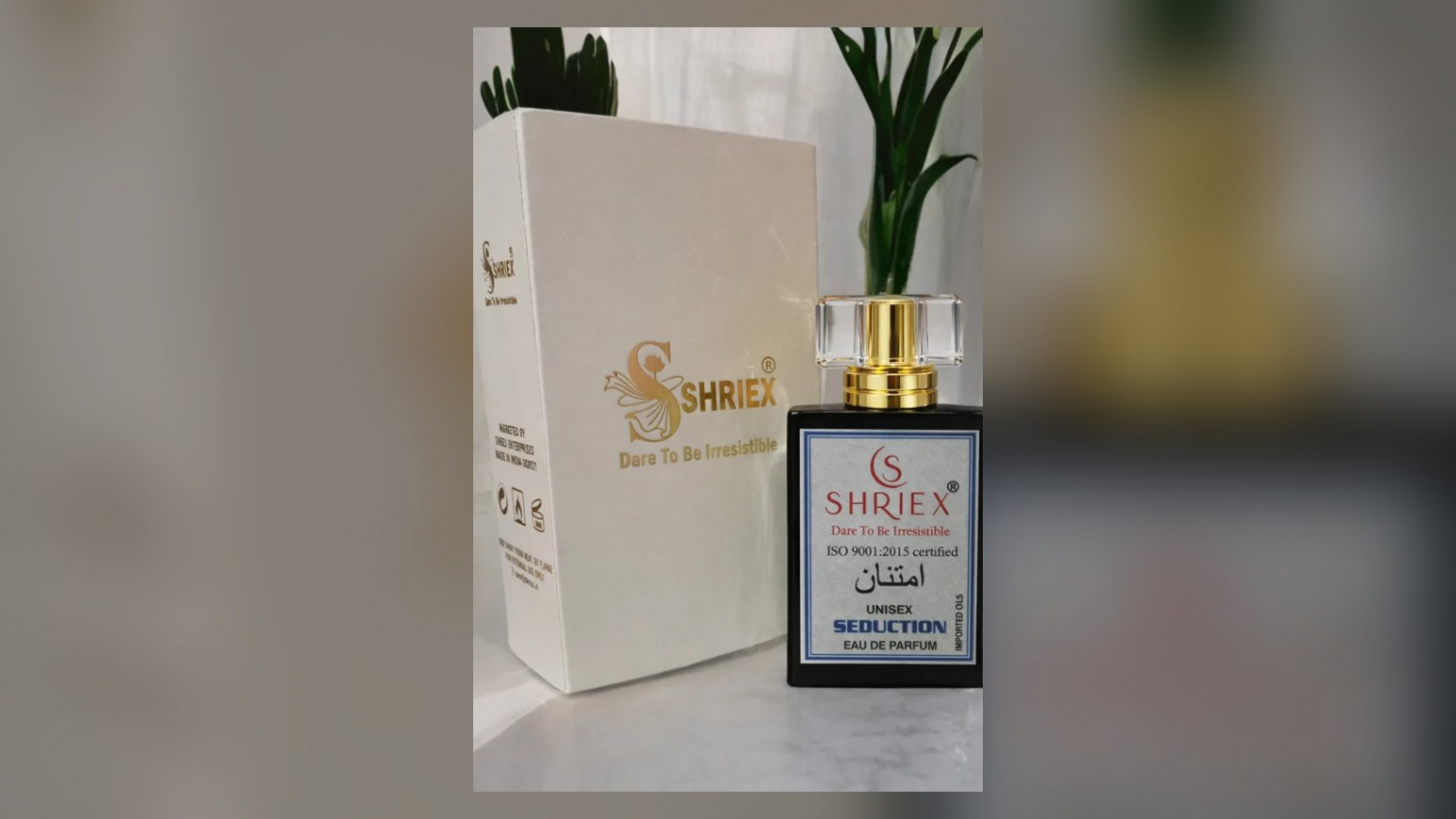
Eau de Parfum vs Eau de Toilette: What Perfume Labels Really Mean
October 21st, 2026 -
Perfume Scent Families Explained: Fresh, Floral, Woody and Warm
October 19th, 2026 -
 October 18th, 2026